Christmas projection: How light can make your Christmas glow
Christmas projection is a simple idea with big impact. Start small and you can scale up fast. Use a projector, a scene and a little imagination. Use it inside or outside. In Ireland the light often works best against dark, wet evenings. Keep the setup safe and weather-aware. Enjoy how light moves across curtains, walls and windows. Let the room breathe with slow animations and soft colours.
What a Christmas projection actually is and how it works
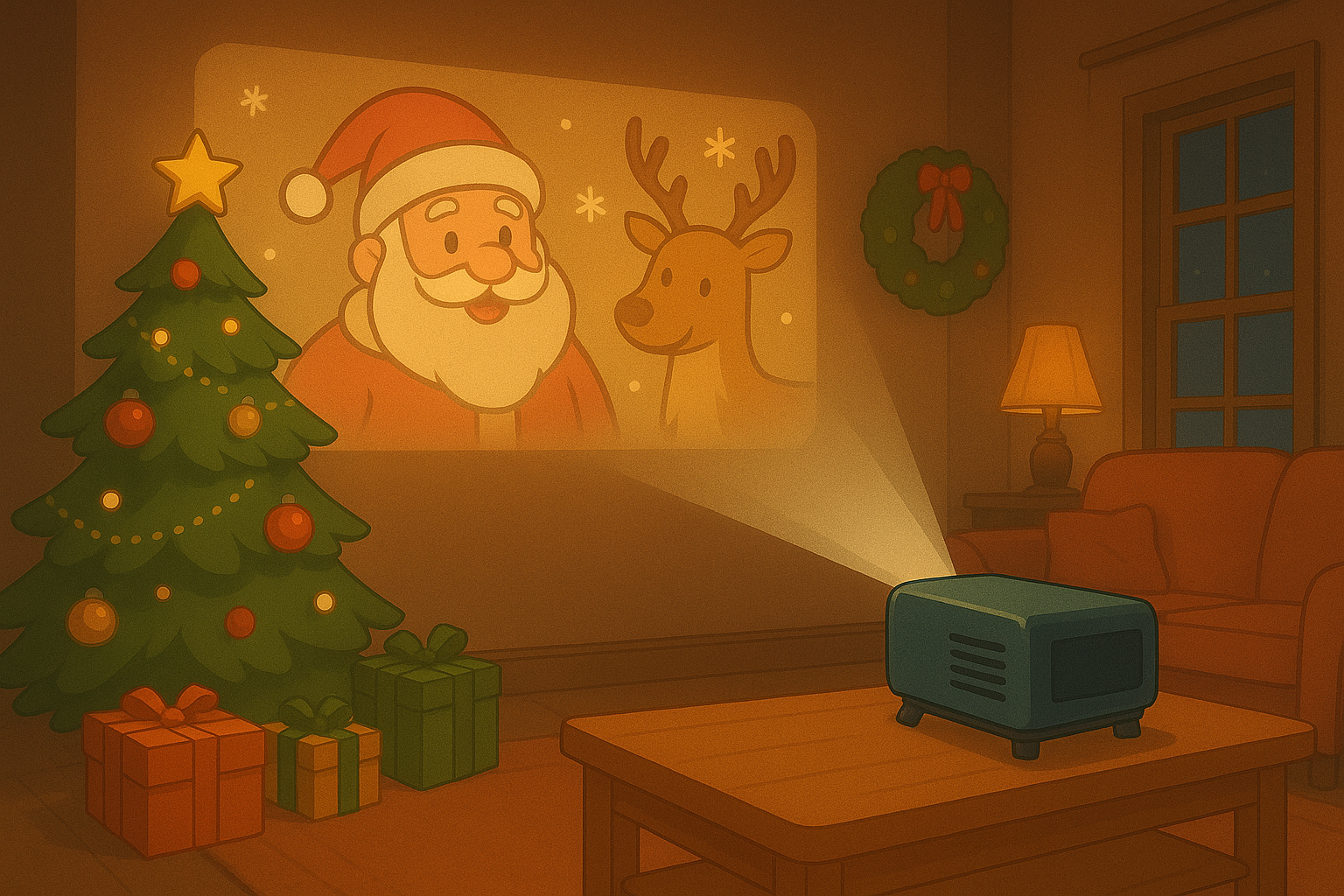
Christmas projection is a way to cast images and motion onto surfaces using light. Think of it like a cinema but much more flexible. You use a projector that sends out pixels. Those pixels land on walls, windows or even curtains. The projector reads files or streams and turns them into moving light. You can choose static pictures, slow snowfall, dancing stars or short animated scenes. The tech behind it is straightforward. You have a light source, optics and a media player. Many modern projectors are small and quiet. They connect by HDMI or via a phone app. They handle different resolutions and brightness levels. In practice you pick a projector with enough lumens for your space. You match the throw distance and lens to the surface. You test the colours in the evening light. You adjust focus and keystone so the image looks crisp. You can add simple mounts or tripods. You can protect outdoor setups with covers or housings. The goal is a comfortable, stable image that feels like part of the room. Keep cables tidy and power safe. Start with short clips. Watch how people react. Small scenes often have the greatest emotional payoff.
Why moving light feels emotional and tells stories
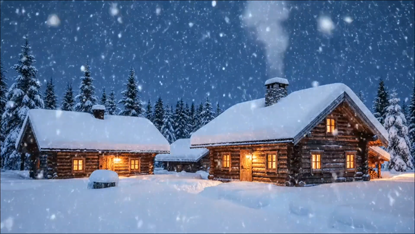
Christmas projection can change how you feel in a space. Our brains respond to movement, light and colour. Slow, gentle motion like falling snow reduces tension. Warm colours feel cosy and welcome. Cool tones can feel magical and still. When you combine motion with thematic images you create a tiny narrative. For example a slow pan from a candle to a snowy window reads like a memory. The scene gives context to a quiet evening. People look up and pause. Children often reach out to touch the light. In communal spaces, shared projection scenes prompt conversation. In a living room a projected hearth can make the space feel more intimate. In a window the projection can invite smiles on the street. Layered animations also work well. Start with a soft background wash. Add slow silhouettes or drifting particles. Keep motion slow to avoid distraction. Use sound lightly or not at all. The emotional effect comes from suggestion rather than spectacle. Small details matter: a blink of light, a gentle shimmer, the rhythm of falling snow. These cues guide memory and mood. They make an evening feel curated. The result is warm, human and quietly joyful.
Practical setups for Irish homes: living rooms, windows and gardens
Christmas projection is ideal for tight city gardens and cosy cottages alike. Choose a projector size that suits your room. For small living rooms get a short-throw or pico projector. For larger facades pick a brighter, higher-lumen unit. Place the projector where it won’t block foot traffic. Use window projections for show-stopping effects that neighbours see. Mount the unit on a shelf, behind a couch or on a tripod. Protect outdoor projectors with a waterproof housing or place them under a porch. In wet Irish weather keep cables off the ground. Use surge protection and weatherproof outlets. For garden projections aim at a wall, fence or sheet surface. White or neutral surfaces give the best colours. For textured walls, embrace the texture as part of the scene. Draped fabrics and curtains soften hard light. For windows use reverse-mapped scenes so they look correct from outside. Test images at the time of day you will use them. Nighttime is usually best, but early evening can work too. Control the projector with a phone or a small media player. Schedule scenes so they change every so often. That keeps things fresh and low-effort for you. Invite friends over and let each person choose a scene for a short while. It’s simple and fun.
Creative scene ideas and storytelling tips
Christmas projection is a playful medium. Think about short scenes that last between ten and sixty seconds. Use looping clips of falling snow, drifting leaves, or twinkling lights. Combine text with images for a seasonal greeting. Try silhouettes: a sleigh crossing the moon or a child with a kite creates instant narrative. For windows consider scenes that feel inviting from the street. For living rooms choose gentler, more detailed scenes. Personalise scenes with family photos turned into slow pans or animated slideshows. Use colour themes that match your decor. Warm ambers and soft whites make rooms cosy. Blue and silver feel crisp and festive. Layer simple animations: a background wash, a mid-layer of shapes, and a slow foreground element. Keep motion minimal to avoid distraction. Use themed playlists: a winter night set, a classic Christmas set, and a playful animation set for kids. Mix in a few surprises like soft snow that falls then fades to stars. That keeps guests intrigued. If you have kids, let them pick the favourites. Their delight is the best measure of success.
Quick setup, safety tips and getting great results fast
Christmas projection is easy to start. Pick a single scene and a simple projector. Place the projector where it can stay undisturbed. Secure cables and check heat vents. Use a timer so the scene turns on and off automatically. Keep the projector away from small hands and pets. For outdoor use site it under cover or in a weatherproof box. Check for glare on glass and adjust angle to avoid reflections. Calibrate focus and keystone so the image looks crisp. Use a neutral surface for the first test. If colours seem dull, dim ambient lights in the room. Use short demo clips to check framing. Record settings that work so you can repeat the setup next year. Ask neighbours for feedback on outdoor scenes. Small tweaks often make a big difference: move a lamp, change a clip, or lower brightness by a notch. Over time you’ll build a small library of scenes you love. Christmas projection becomes a simple ritual. It’s quick to set up and endlessly rewarding. Try one evening this season and see how a little light can change the whole mood.
Popular projections