Christmas magic for kids — Why children are allowed to dream again this Christmas
Christmas magic for kids starts with a single, clear choice: you let wonder in. That choice can change the mood of a whole evening. I often tell families here in Ireland that the best gifts are not things, but a moment that opens the mind. Christmas magic for kids can be quiet and private. It can also be loud and joyous. The balance you choose depends on your child and your home. Use low light. Keep a soft soundtrack. Tell a gentle story. These small moves make room for awe without overwhelming anyone. The rest of this article shows why this matters and how to do it with light and projection.
Why imagination at Christmas heals and grows
Christmas magic for kids works on a deep, simple level. Play and make-believe help children process big feelings. Short, playful rituals ease anxiety and build memory. Neuroscience shows that when kids imagine safely, their brains practice creativity and regulation. That practice carries over to school and friendships. For parents, watching a child wonder releases oxytocin. That bond matters as much as any present. Keep language simple when you explain things. Say what is pretend and what is real in a warm tone. If a child asks hard questions, answer little by little. Gentle honesty lets the story live without breaking the glow. Stories that include familiar things — a favorite blanket, a local landmark, a family pet — anchor fantasy in safety. That makes the experience both thrilling and safe. Christmas magic for kids is not about lying. It is about creating a container where imagination can stretch and grow. Try a five minute ritual every evening in the week before Christmas. Observe quietly. Let your child lead in small ways. Those tiny repetitions build a steady sense of security. You will see confidence and calm grow in small steps.
How light and projection tap into wonder
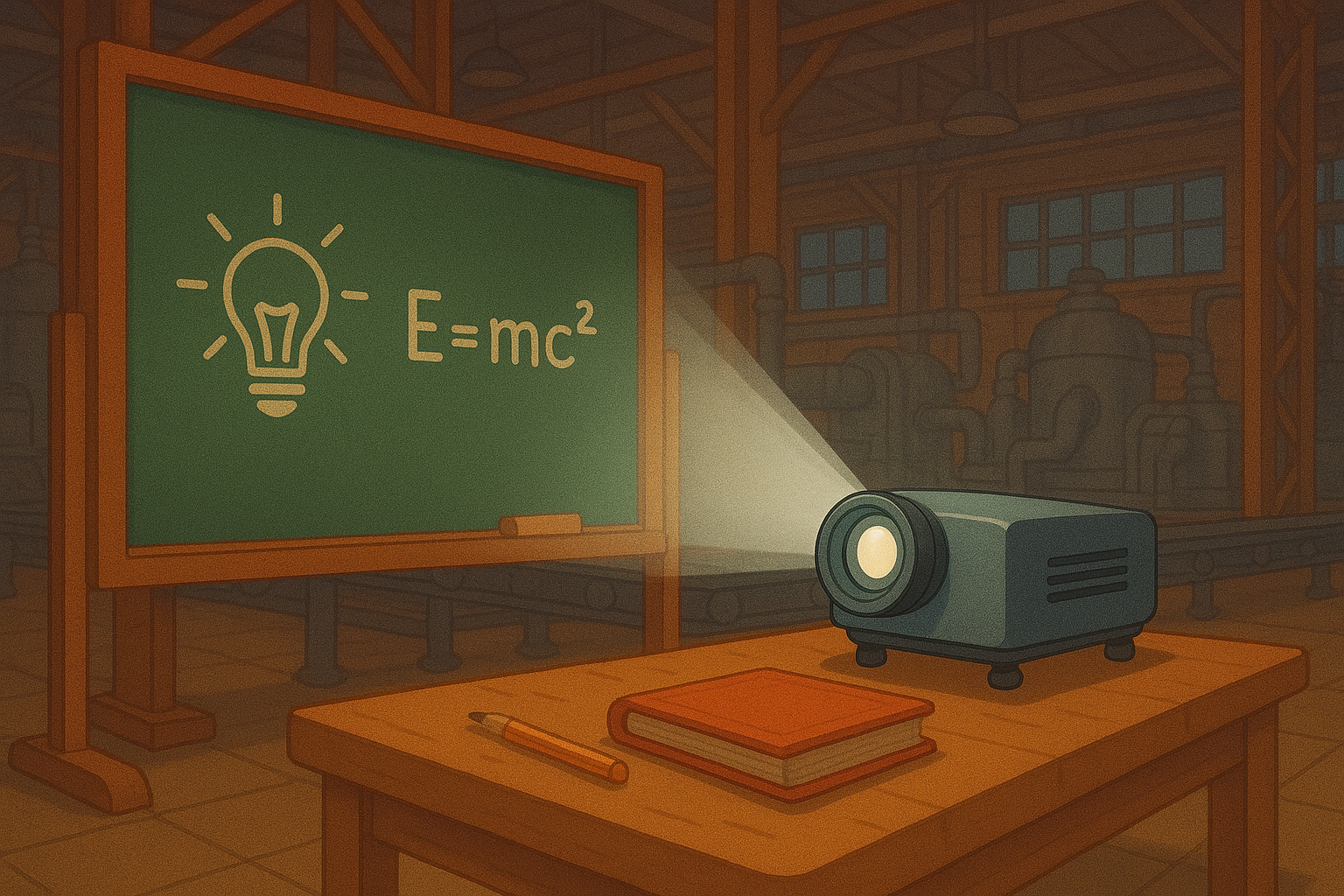
Christmas magic for kids often arrives when light tells a story. A soft glow can suggest stars, snowfall, or even a friendly creature at the window. Light slows the pace. It invites focus. With a simple projector, you can add shifting snowflakes on a wall or gentle auroras on the ceiling. Christmas magic for kids becomes tangible when they can point and ask about the shapes they see. Keep the setup simple. Use familiar colors like warm white and soft blues. Avoid sudden flashes or bright whites that can startle. If you want movement, choose slow, graceful animations. Film small scenes that last one to two minutes and loop them gently. Add a low, melodic soundtrack to complete the mood. You do not need expensive gear. Many affordable mini projectors and fairy-light projectors work well in a living room. Position the projector away from direct eye level and project onto a plain wall or a sheet. Invite the child to draw what they see later. That drawing becomes a new story prompt. Christmas magic for kids grows when light meets story. Use projection to expand imagination without replacing a parent's voice. Let the light be a partner, not a substitute.
Stories, rituals and the safe suspension of disbelief
Christmas magic for kids thrives on ritual. A short, repeated sequence gives meaning to small actions. For example: hang a stocking, read a poem, switch on the projection, and sip warm milk. Over time, these acts become anchors for memory. They also teach that some moments are special. When you guide a story, keep sentences simple and vivid. Use local images and sounds to make the tale feel close to home. Mention a quiet Irish lane or the sound of rain on the roof. These details make fantasy feel cozy rather than distant. Christmas magic for kids is also about giving space for questions. After a story, ask what part the child liked best. Let them add a line. Encourage them to invent an ending. This playful co-creation strengthens language and emotional understanding. It also makes them feel heard. If a child struggles with truth versus fantasy, offer clarity in a kind way. Say that some things are stories we keep in our hearts. That way you honor both imagination and trust. Families who practice small rituals notice calm evenings and more bedtime cooperation. The work is gentle and the returns are often surprising.
Practical projection ideas you can try tonight
Christmas magic for kids can be built in thirty minutes with a little planning. First, choose a corner with a plain wall or a white sheet. Second, pick a projection scene. Snowfall, slow stars, and soft animal silhouettes work well. Third, set dim ambient lights and a warm lampshade on the side. Fourth, play a short playlist with soft bells and quiet piano. Keep volume low so the voice of the parent can be heard. Project for no more than ten to twenty minutes at first. Observe how your child reacts. Some kids prefer close, short bursts of wonder. Others want to linger. Offer a gentle option to step away if needed. Try a participatory moment like blowing a paper snowflake towards the projection. That small act connects the child to the scene. Include a tactile item, like a soft scarf or a pinecone, to ground the experience. Christmas magic for kids deepens when sight, sound and touch meet. Keep tech simple: a single USB drive with a looping scene, a small speaker, and a cozy blanket are enough. You will be surprised how much warmth such a setup brings to an ordinary night.
How to make it feel local and meaningful in Ireland
Christmas magic for kids feels strongest when it connects to home. Use local songs, family names, and Irish winter images to make projections and stories more personal. Describe a starlit walk by the river or soft rain tapping the windows of a stone house. Mention small, everyday heroes like a grandparent who knits, or a neighbor who bakes. Those details make fantasy rooted and safe. Invite children to add elements from their day. A child who saw a robin can watch a robin silhouette in the projection and feel seen. Turn old family tales into short narrated scenes with simple projected illustrations. Keep each scene short and repeat a favorite twice. Repetition breeds comfort. Offer an opener line you all say together, like a tiny family affirmation. That phrase becomes a cue and a shared secret. Christmas magic for kids becomes not just a show, but a family language. Over years, those phrases and images weave a thread through childhood. And as children grow, they carry those small sparks with them. In Ireland, where winter evenings are long, that gentle light can become a warm family habit.
Gentle wrap-up: keeping wonder honest and kind
Christmas magic for kids is a choice you can make again and again. It is about giving small, repeatable moments of awe. It is about using light, sound and story to hold a child at the edge of imagination. Keep things honest. Say when something is pretend in a caring tone. Let questions be part of the ritual. Notice how your child reacts and adapt. Sometimes wonder is quiet. Other times it is loud and silly. Both kinds are good. Use projection to enhance, not replace, your presence. Sit near the child, point things out, and laugh together. That presence teaches trust more than any effect. If you try one thing from this post, try a five minute projection ritual with a short, local story and a warm drink. Repeat it a few evenings. Watch the small changes take hold. Christmas magic for kids can be simple and deep. It can make this season a time when children learn to dream, to ask, and to feel safe enough to imagine. That gift lasts far beyond the holidays.
Popular projections